
Every person has a story. Some chapters are filled with success, some with failures, and many with lessons that quietly shape who we become. This page is my attempt to put those chapters together—not just to share where I am today, but to document the journey that brought me here.
From my childhood and school days to college, my first job, the challenges I faced, the mistakes I made, and the experiences that changed my perspective, this is the story of my life as I remember it. Along the way, I'll also share the interests I developed, the hobbies I picked up, the people who influenced me, and the moments that helped shape my career and personality.
I've always believed that every experience, no matter how small, teaches us something valuable. Looking back, I can see how even the ordinary days played a role in becoming the person I am today. Some memories still make me smile, some remind me of difficult times, and others continue to inspire me to keep learning and improving.
This page isn't meant to impress anyone or present a perfect version of my life. Instead, it's an honest account of my journey—the good, the bad, and everything in between. My hope is that by sharing my experiences openly, someone reading this might find a lesson, a bit of inspiration, or simply enjoy following the path that led me here.
So, let's start at the very beginning.
Childhood
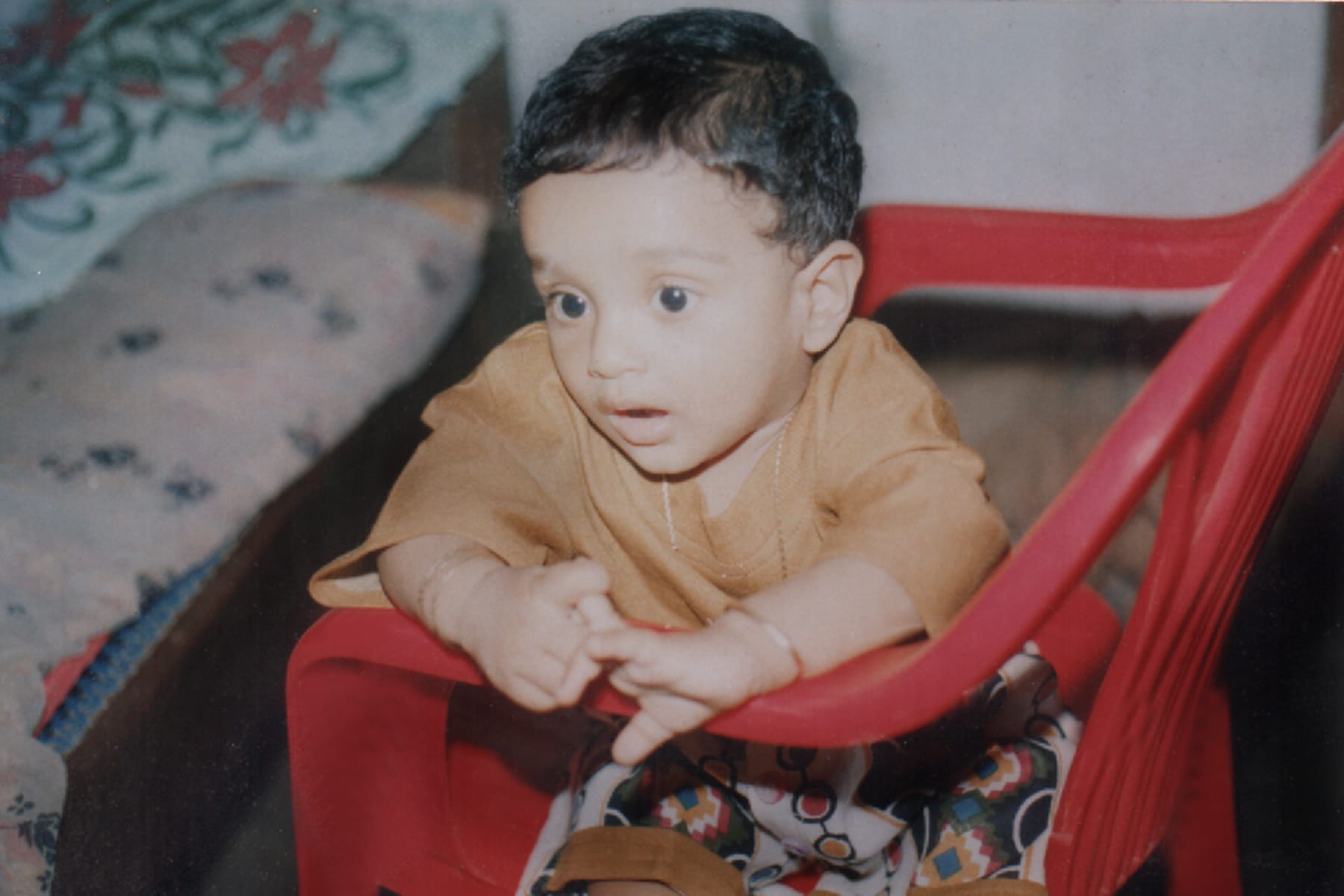
If I had to describe my childhood in a few words, I would say it was a mixture of wonderful memories and personal struggles. One of the strongest memories I have from those early years is how incredibly shy I was.
I wasn't just a quiet child—I was extremely shy. Whenever guests came to our house, I would immediately find a place to hide until they left. Talking to new people made me uncomfortable, and I preferred staying away from attention whenever possible. Even today, I consider myself an introvert, but as a child, those traits were much more noticeable.
Making friends was never easy for me. While many children naturally became friends with everyone around them, I found it difficult to start conversations or build new relationships. Because of that, I had only a few close friends, and I valued those friendships deeply.

Until the fourth grade, my closest friend was my neighbor. We were classmates, the same age, and spent most of our time together. Our friendship became such an important part of my childhood that I often didn't want to go to school if he wasn't there. School simply didn't feel the same without him. Once we reached the classroom, I always wanted to sit next to him. Having him around gave me a sense of comfort and confidence that I couldn't find elsewhere.
Looking back, I realize how much that friendship meant to me. It made school enjoyable, gave me someone to rely on, and helped me navigate those early years despite my shy and reserved nature. Although our paths eventually changed as we grew older, those memories remain some of the happiest moments of my childhood.
Being shy made many situations difficult, but it also taught me to observe more, listen carefully, and appreciate genuine relationships. Those qualities stayed with me as I grew up and continue to be a part of who I am today.
My First Experience with School
One of my earliest memories is how much I disliked going to school. Unlike many children who look forward to making new friends or playing with classmates, I simply wanted to stay at home with my parents. Home was where I felt safe and comfortable, and the thought of leaving them every morning was something I couldn't accept.
Almost every day, I would cry before leaving for school. I would try everything I could to avoid going, hoping that somehow I could stay at home just for one more day. But, like every caring parent, my parents knew that education was important. No matter how difficult those mornings were, they would patiently comfort me and eventually send me to school, even if it meant doing so forcefully.
Looking back now, I can only imagine how difficult those mornings must have been for them. At that age, I couldn't understand why they insisted on sending me to school. All I knew was that I wanted to be with them. Today, I realize they were making a decision that would shape my future, even if I couldn't see it at the time.
My dislike for school wasn't because of the teachers or the subjects. It was simply because I found it hard to be away from my parents. Being an extremely shy and introverted child made the transition even more difficult. I wasn't comfortable around new people, making friends didn't come naturally to me, and school felt like an unfamiliar place that I never truly wanted to be in.
Over time, I slowly adapted, but those early years left a lasting impression on me. Even today, when I think about my childhood, I can clearly remember those mornings filled with tears, my parents encouraging me to be brave, and the long walk into a classroom that I never wanted to enter.
Family and Early School Years
I grew up in a joint family, which meant there was always someone around. Our home consisted of my parents, my paternal grandparents, my father's siblings, and me. Living in a joint family had its own unique experiences. The house was always lively, with conversations, celebrations, and everyday moments shared among many people. It taught me the importance of family, togetherness, and supporting one another.
Financially, we were a middle-class family. We weren't wealthy, and there were times when money had to be spent carefully. Looking back, I appreciate the sacrifices my parents and family made to provide me with everything I needed. Although we didn't have every comfort, I never felt deprived of love and care. Those early years taught me to value simple things and to be grateful for what I had.
My school life began on a positive note. Until the fourth grade, I performed well academically and consistently scored good marks. Studying never seemed like a major challenge during those years.
However, things began to change after the fourth grade. My interest in studies gradually declined, and my academic performance started to suffer. The good marks that I had once achieved became less frequent, and there were times when I even failed examinations. This phase continued for several years, and until the eighth grade, I struggled to perform well in school.
At that age, I didn't fully understand why I was finding studies difficult. I simply accepted that I wasn't doing well. Seeing poor marks on my report card became something I was almost used to, even though deep down I knew I could do better. Those years were disappointing, not only for me but also for my parents and teachers, who knew I had the potential to improve.

Looking back now, I realize that every person's journey has its ups and downs. Those years of poor academic performance were not the end of my story. In fact, they became an important reminder that success isn't always a straight path. Sometimes, it takes a few setbacks before we discover our strengths and begin moving in the right direction.
Struggling to Find My Place
Throughout my school years, I was an extremely shy student with almost no confidence in myself. Standing on a stage was something I could never imagine doing. I never participated in cultural programs, speeches, debates, or any extracurricular activities. Most of the time, I stayed quiet, avoided attention, and hoped no one would ask me to do anything in front of others.
Because of this, many teachers did not see me as a promising student. My poor academic performance only reinforced that impression. For a long time, I was simply known as one of the weaker students in the class.
But every journey has people who quietly change its direction.
For me, two of those people were Aleesha Teacher and Stanley Sir.
Unlike many others, they looked beyond my report cards. They encouraged me instead of criticizing me. More importantly, they helped me realize something that I had never thought about before. They told me that perhaps my strength was not memorizing everything taught in school. Maybe my abilities lay somewhere else, and I needed to discover what they were.
Those words stayed with me.
Around the eighth standard, I developed a habit that would eventually change the way I learned. I started reading—constantly. We had hundreds of books at home, and I would spend hours simply sitting and reading whatever I could find. Whenever I came across something interesting, I would write it down on small pieces of paper and keep them in my pockets. Throughout the day, I would take those papers out and read them repeatedly until I remembered what I had written.
Without realizing it, I was building my own learning system.
Although my school marks remained poor, my general knowledge improved significantly because of my reading habit. I still remember participating in a quiz competition during the eighth standard and securing first place. It was one of the first moments that made me feel I was actually good at something. It gave me confidence that my abilities existed—they just weren't being measured by my examination marks.
Unfortunately, my academic performance did not improve much. Even until the tenth standard, my marks remained below average. Mathematics was especially difficult for me. I still remember having to write a mathematics test five different times because I couldn't pass it. Even after multiple attempts, I continued to struggle. My scores were low not only in mathematics but even in my mother tongue, which made me feel even more discouraged.
School was difficult in other ways as well.
There were teachers who would ask me questions in front of the class, knowing that I was unlikely to answer them. When I couldn't respond, I would be embarrassed in front of my classmates. As a shy student who already lacked confidence, these moments stayed with me long after the class was over.
One incident has remained in my memory for years. One day, the school principal called me onto the stage during the morning assembly, in front of nearly 1,500 students, and asked me to recite the multiplication table of nine. I couldn't do it. The next day, I was called again. This continued for two or three days until I finally managed to say it correctly.
Another incident has stayed with me ever since.
One day, our English teacher came into the classroom and began talking to the students. At one point, he said, "When I reach home, I think about all of you. Mishel, I thought about you too."
For a brief moment, I thought she was about to encourage me. Instead, she continued, "I genuinely don't know what you will become. You don't score good marks. You can't speak English well. How are you going to survive? Are you brainless?"
Those words hit me harder than I could express at the time. As a child who already struggled with confidence and constantly questioned his own abilities, hearing them from a teacher was devastating. Teachers are often the people students look up to for guidance and encouragement. When someone in that position tells you that they cannot imagine a future for you, it is difficult not to believe them.
Whether the intention was to motivate me or help me learn, my younger self experienced it very differently. Standing in front of the entire school, unable to answer such a simple question, was deeply embarrassing. At that age, moments like these didn't motivate me—they made me feel smaller.
As these experiences accumulated, I slowly began to believe something that no child should ever have to believe: that I wasn't good enough. I started comparing myself with others, wondering why learning seemed so easy for them but so difficult for me. My confidence dropped even further, and there were times when I genuinely felt worthless.
Looking back now, I realize that I wasn't unintelligent. I simply learned differently. My strengths were hidden beneath a system that rewarded memorization far more than curiosity, creativity, or independent learning. It took me many years to understand that, but once I did, it completely changed the direction of my life.
The Moment That Changed Everything
There is one incident from my school days that I still remember vividly because it changed the way I looked at myself.
While I was in school, our annual arts festival was one of the biggest events of the year. Before the actual program, the school would conduct rehearsals where students performed in front of other classes. One day, I happened to watch one of these rehearsals.
Among all the performances, one moment caught my attention. A little girl studying in the third standard walked onto the stage and began singing. She stood there, in front of hundreds of students, and sang with incredible confidence. I was amazed.
What struck me wasn't just how beautifully she sang—it was her courage. Here I was, an older student who couldn't even imagine standing on a stage, while someone much younger than me was performing fearlessly in front of such a large audience.
That moment felt like a wake-up call.
I remember asking myself a simple question:
"If she can do it, why can't I?"
Until then, I had always measured myself through my academic performance. Since I wasn't good at memorizing lessons or scoring high marks, I had started believing that I wasn't good at anything. Watching that young girl perform made me realize that perhaps I had been looking in the wrong place. Maybe my abilities existed somewhere beyond textbooks and examinations.
From that day onwards, I made a decision to discover what I was truly good at.
I started experimenting with different interests instead of worrying only about my report cards. Around the same time, I developed a deep interest in music. I was fascinated by the violin, and eventually I convinced my family to buy me one. Learning it wasn't easy, but for the first time, I was doing something because I genuinely enjoyed it—not because it was part of the school syllabus.
I continued learning the violin for nearly six years.
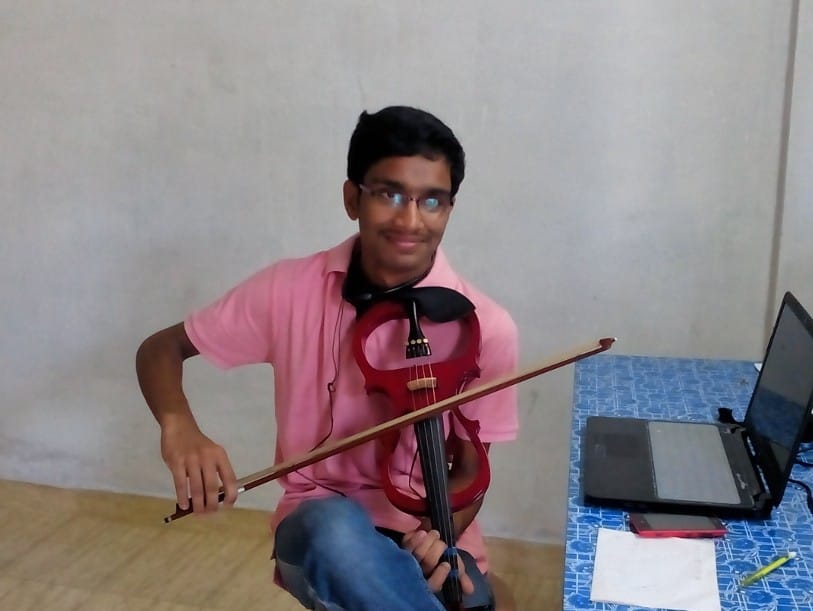
More than teaching me music, the violin taught me confidence. Every new piece I learned reminded me that skills are built through patience and consistent practice. It helped me prove something to myself that I had never believed before—that I was capable of learning, improving, and becoming good at something.
Years later, while I was studying in the twelfth standard, I got the opportunity to perform on stage with my friend Anu Raju. Standing there with a violin in my hands was a moment I could never have imagined during my early school days. The same boy who used to hide whenever guests visited the house and who avoided every stage opportunity was now performing in front of an audience.
That performance wasn't just about music. It was proof that confidence can be learned.
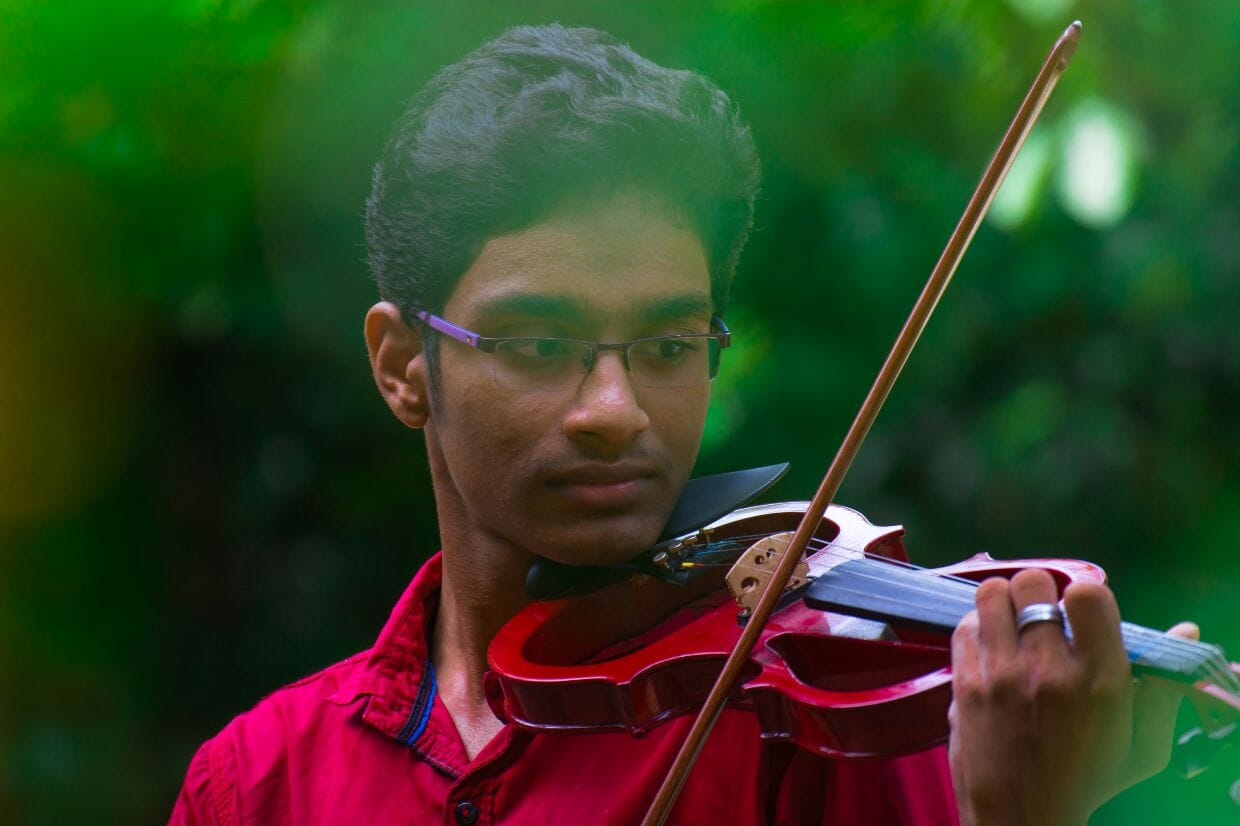
Today, I rarely get the opportunity to play the violin. My profession keeps me busy, and finding enough time to practice has become difficult. Even so, the violin will always hold a special place in my life. It wasn't simply an instrument—it was the first thing that made me believe I had talent beyond academics. It helped me stop defining myself by my examination marks and start believing in my own potential.
Looking back, I don't think the biggest gift the violin gave me was music. It gave me confidence, and that confidence became the foundation for everything I achieved later in life.
A Person I want to meet again
There is one more thing I have never forgotten.
Even today, whenever I attend a public event or find myself in a large crowd, a small part of me still looks around, wondering if I might see that little girl again.
She probably has no idea who I am. She may not even remember that performance. To her, it was likely just another song on another school day.
But to me, it was much more than that.
Without saying a single word to me, she changed the way I looked at myself. She showed me that confidence wasn't something people were born with—it was something they could develop. She made me question the belief that I wasn't good enough, and she inspired me to start searching for my own strengths.
I've often wished I could meet her again, not because she would remember me, but because I would like to thank her.
That little girl probably doesn't know that a song she sang many years ago became the spark that changed the course of another student's life. Yet, even after all these years, I still find myself looking for her in every crowd, hoping that one day I might get the chance to simply say, "Thank you."
Falling in Love with Technology
If there is one thing that fascinated me from an early age, it was computers.
My curiosity began around the fourth standard, when our school introduced a subject called Computer. The lessons were fairly basic—we learned about the Start menu, Microsoft Word, Microsoft Excel, Paint, and a few other applications. For many of my classmates, it was just another subject. But for me, it felt like magic.
I couldn't stop thinking about computers.
Every new feature I discovered made me wonder what else a computer could do. I wanted to understand everything about it—not because it was part of the syllabus, but because I was genuinely fascinated by the technology.
Naturally, I wanted a computer of my own.
I asked my parents several times if we could buy one. Unfortunately, owning a computer was beyond what our family could afford at the time. Even purchasing a second-hand computer wasn't financially possible. Although I understood our situation, it was still disappointing. I knew what I wanted more than anything else, but it remained out of reach.
Since having a computer at home wasn't an option, I found another way.
Whenever school closed for vacation, I eagerly waited for the opportunity to visit my cousin's house because they owned a computer. Those visits became the highlight of every holiday. I would spend hours sitting in front of it, exploring every menu, clicking every button, and trying to understand how everything worked. I wasn't following tutorials or learning from books—I was simply driven by curiosity.
Of course, I also enjoyed playing games. I still remember spending countless hours playing classics like GTA: Vice City and Road Rash. Those games were exciting, but what fascinated me even more was the computer itself. I wanted to explore the operating system, discover hidden features, and understand how everything fit together.
Even today, I still have a photograph of the very first computer I ever used. It is one of my most treasured memories because it reminds me where my journey with technology truly began.
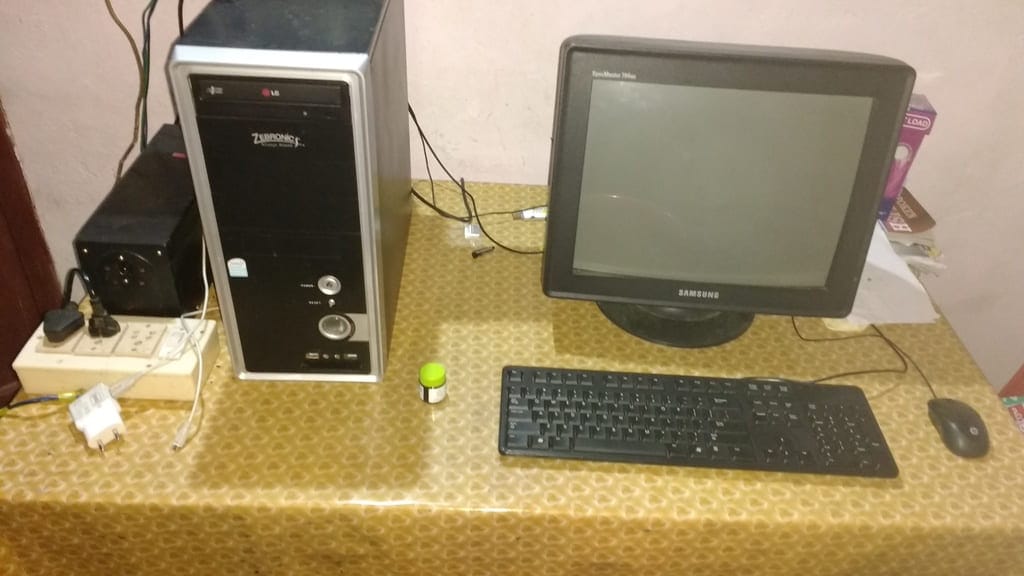
Despite my growing interest, I had to wait many years before I could finally own a computer.
My parents once promised that if I scored more than 80% in my tenth-standard examinations, they would buy me one. It was a wonderful motivation, but I wasn't able to achieve that target. As a result, I had to continue waiting.
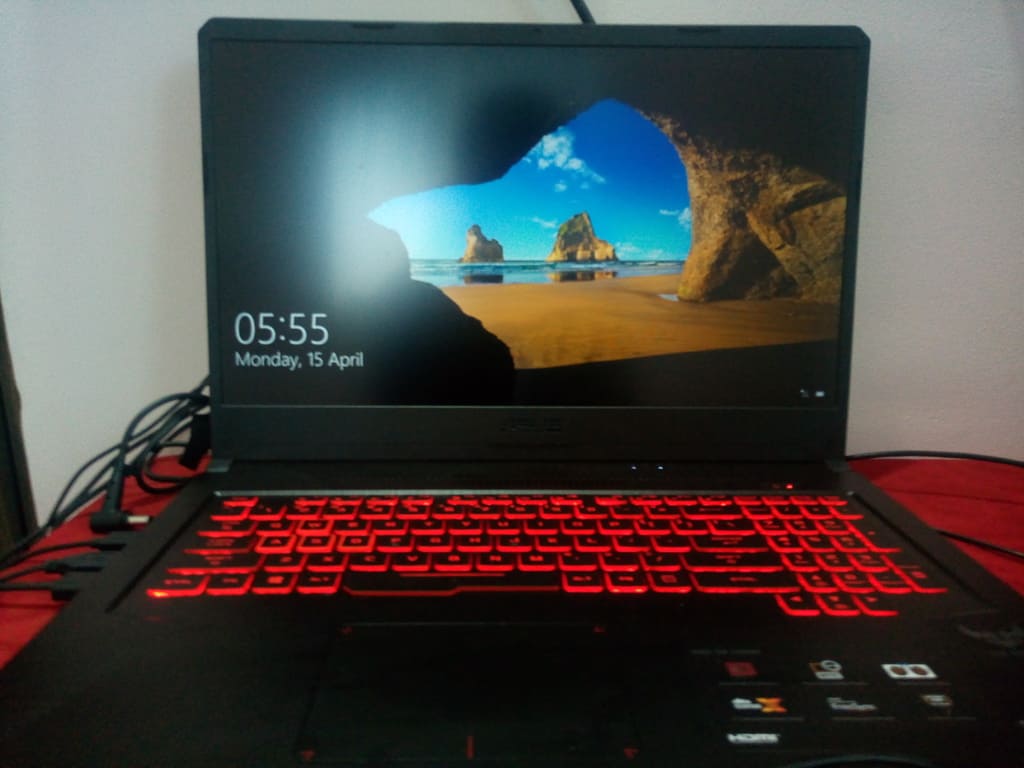
It wasn't until I joined college that I finally received my first laptop, and even that wasn't something my family purchased. It was generously gifted to me by someone else.
That laptop was far from powerful. It had only 2 GB of RAM and ran a 32-bit operating system. Opening Google Chrome often took more than half a minute. Running an Android emulator while learning Android development could take anywhere between fifteen and seventeen minutes. Many people would probably consider such a machine unusable today.
To me, it was priceless.
It was my first personal computer, and I made the most of every bit of performance it could offer. I learned programming, experimented with Android Studio, used Visual Studio, and continued exploring technology despite the limitations of the hardware. Looking back, those limitations taught me patience and encouraged me to understand my tools instead of complaining about them.
Only after I started working professionally was I able to buy better computers with my own earnings. Every upgrade felt special because I knew exactly what it meant to finally own something I had dreamed about for so many years.
My fascination with technology wasn't limited to computers.
I was equally curious about mobile phones and electronic devices. Whenever I got hold of an old or used phone, I would spend hours exploring every setting, understanding how it worked, and sometimes even trying to repair it just to learn something new. I wasn't afraid of pressing the wrong button—I was more afraid of missing an opportunity to discover something.
One memory from those days still makes me smile.
I clearly remember using the internet for the very first time. Mobile internet was still in its early days, and I accessed it through WAP, which was incredibly slow and expensive. Internet access wasn't something we could afford regularly, so every minute online mattered.
The first website I ever visited was Yahoo.
I carefully typed its address, waited patiently for the page to load, and when the homepage finally appeared on the screen, I couldn't contain my excitement. I literally ran around the house to tell everyone that I had accessed the internet.
It may sound like a small moment today, but to me, it felt like opening a door to an entirely new world.
Since internet access was expensive, I received only a few precious minutes each month. I used every one of those minutes carefully. I would think in advance about which websites I wanted to visit, what I wanted to search for, and what I hoped to learn before my available time ran out.
Looking back now, I realize something interesting.
My passion for technology didn't begin when I bought my first computer. It didn't begin when I started programming. It didn't even begin when I got internet access.
It began long before any of those things.
It began with curiosity.
I didn't have the latest hardware, unlimited internet, or expensive gadgets. What I had was an endless desire to learn. Whenever I found a computer, a mobile phone, or any electronic device, I wanted to understand how it worked. That curiosity eventually became my greatest strength, and it continues to drive me even today.
To be continued...